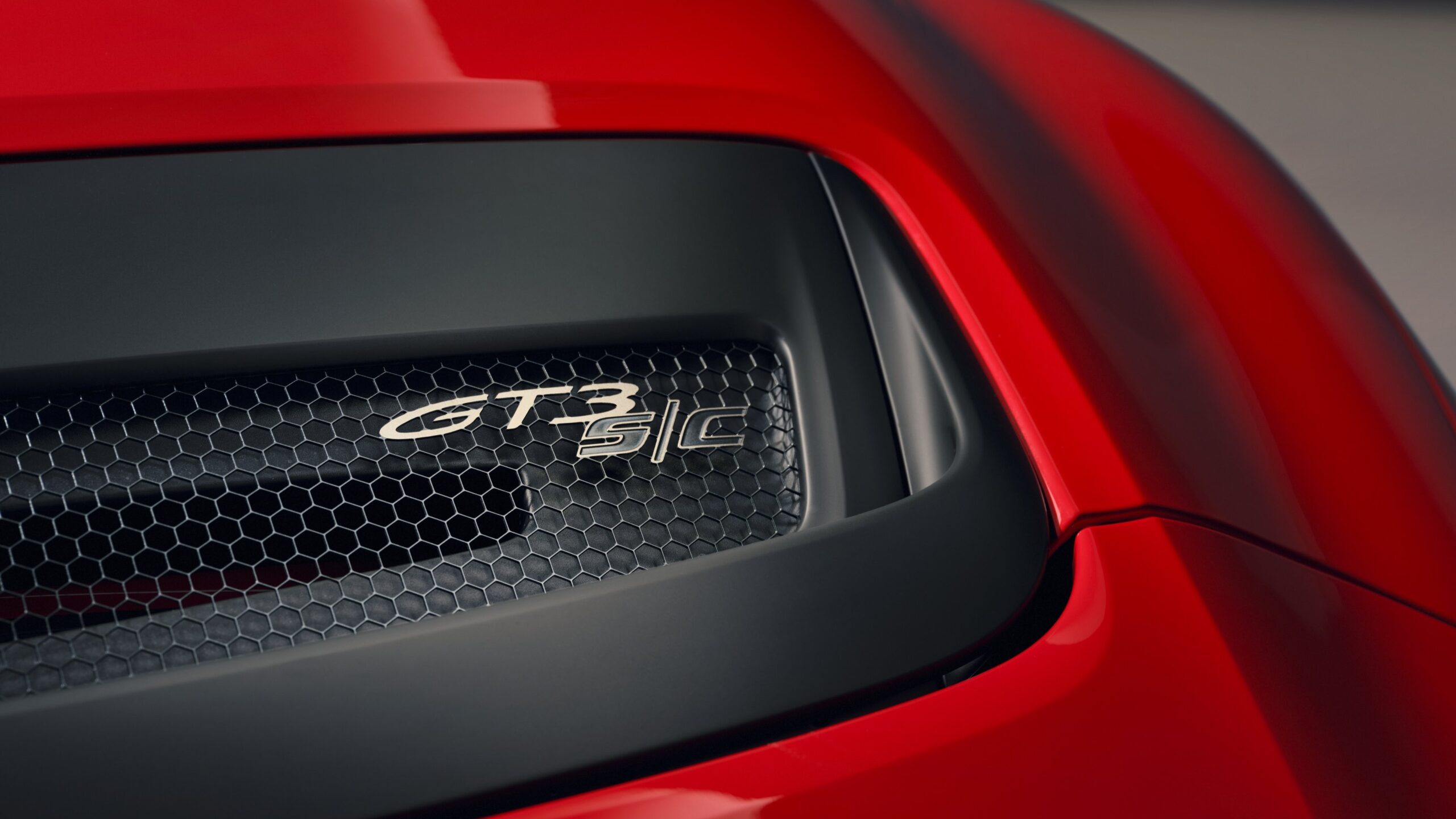
Porsche 911 GT3 S/C (992)
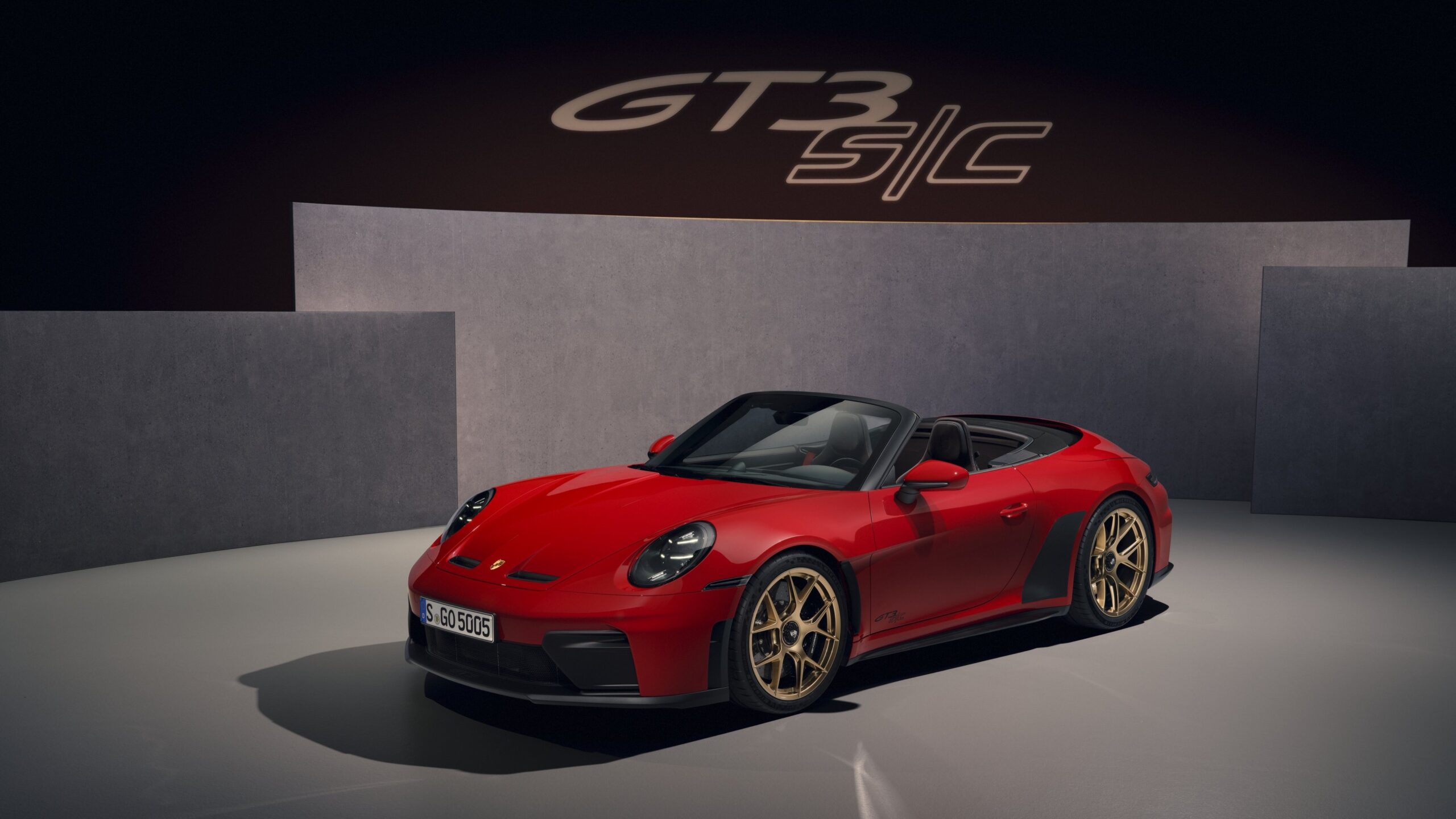
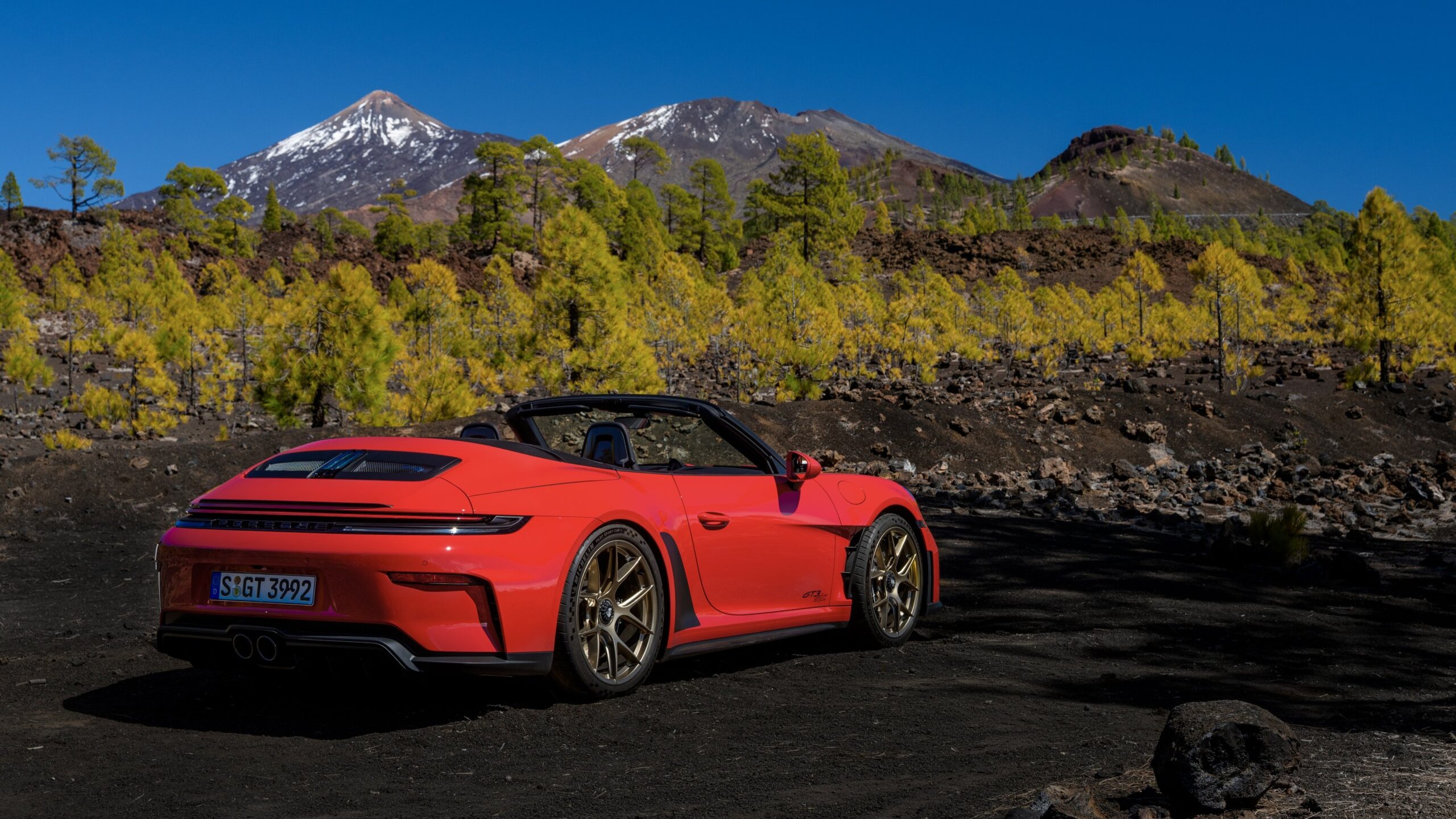
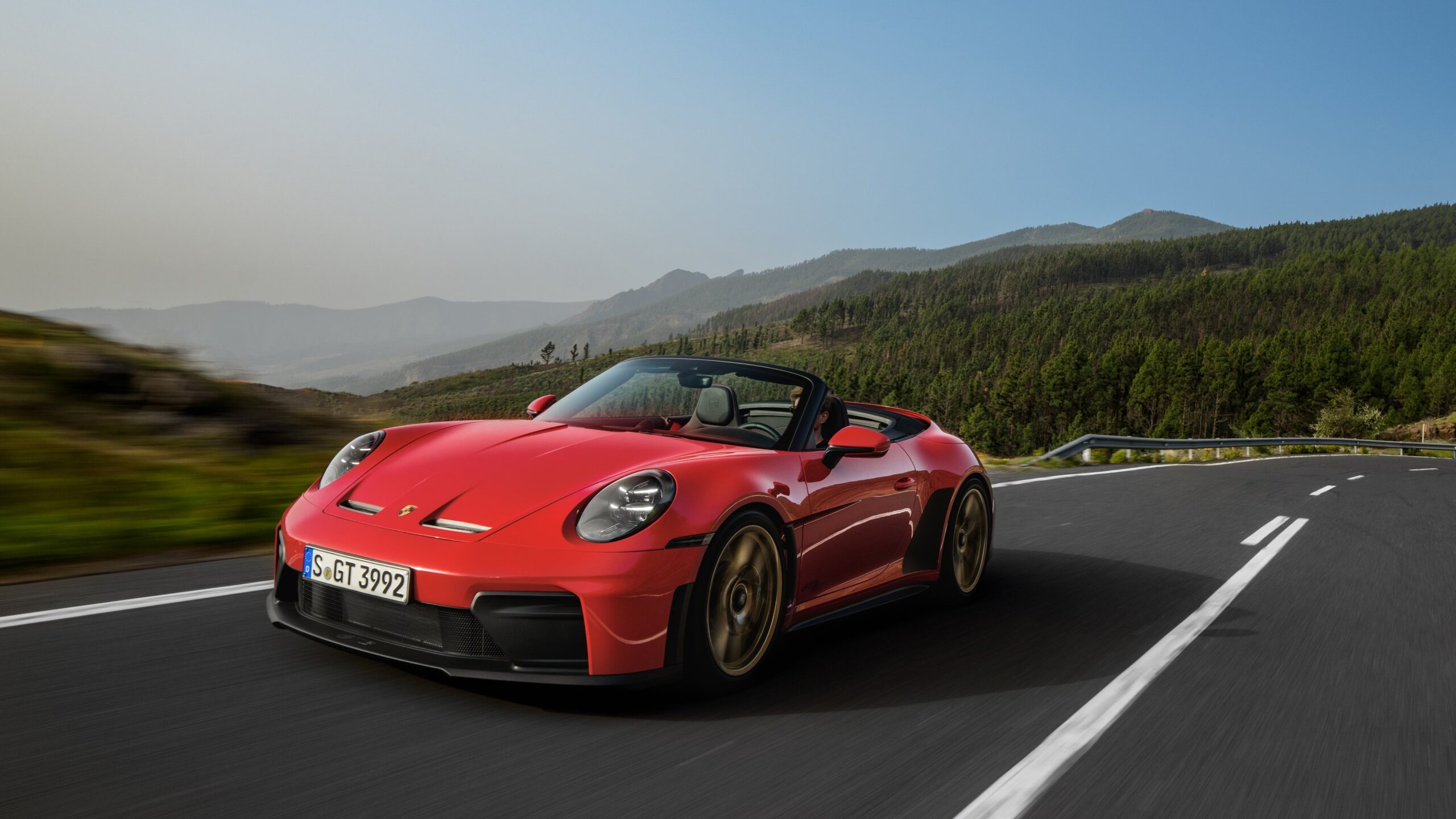
Porsche 911 GT3 S/C (992): the open-top GT3 Porsche fans never stopped dreaming about
Porsche has done something that many enthusiasts thought might never happen in the 992 generation of the 911: it has introduced the 911 GT3 S/C, an open-top GT car that blends the raw character of the GT3 with the emotion of roof-down driving. According to Porsche, the new model combines the naturally aspirated 4.0-litre flat-six from the 911 GT3 with lightweight components from the 911 S/T, creating a two-seat driver’s car aimed squarely at purists.
The “S/C” stands for Sport Cabriolet, and this car is not just a styling exercise. Porsche says the 911 GT3 S/C is the first GT3 variant available with a fully automatic convertible roof, while still keeping the focus on low weight, driver involvement and a high-revving naturally aspirated engine.

What is the Porsche 911 GT3 S/C?
The Porsche 911 GT3 S/C is a new 992-generation 911 derivative that brings together several ingredients from Porsche’s most desirable modern driver-focused models. It takes inspiration from the 2019 911 Speedster, borrows lightweight ideas and components from the 911 S/T, and pairs them with the current 911 GT3’s 4.0-litre naturally aspirated flat-six. Porsche positions it as a more emotional, more visceral way to enjoy GT3 performance, especially on the road with the roof down.
Unlike the Speedster, Porsche says this is not a limited-production model, which immediately makes it one of the most intriguing additions to the modern 911 range.

A manual-only GT3 Cabriolet
One of the biggest headlines is that the 911 GT3 S/C is manual only. Porsche has fitted it exclusively with the short-ratio six-speed GT Sport manual gearbox, shared in spirit with the 911 S/T and current GT3 manual set-up. That means no PDK option here, just a more mechanical, more involving driving experience aimed at people who still want a proper connection with the car.
For Porsche fans, that is what makes this car so exciting. This is not simply a convertible 911 with extra power. It is a roofless GT product built around the idea that driving pleasure matters more than outright convenience.

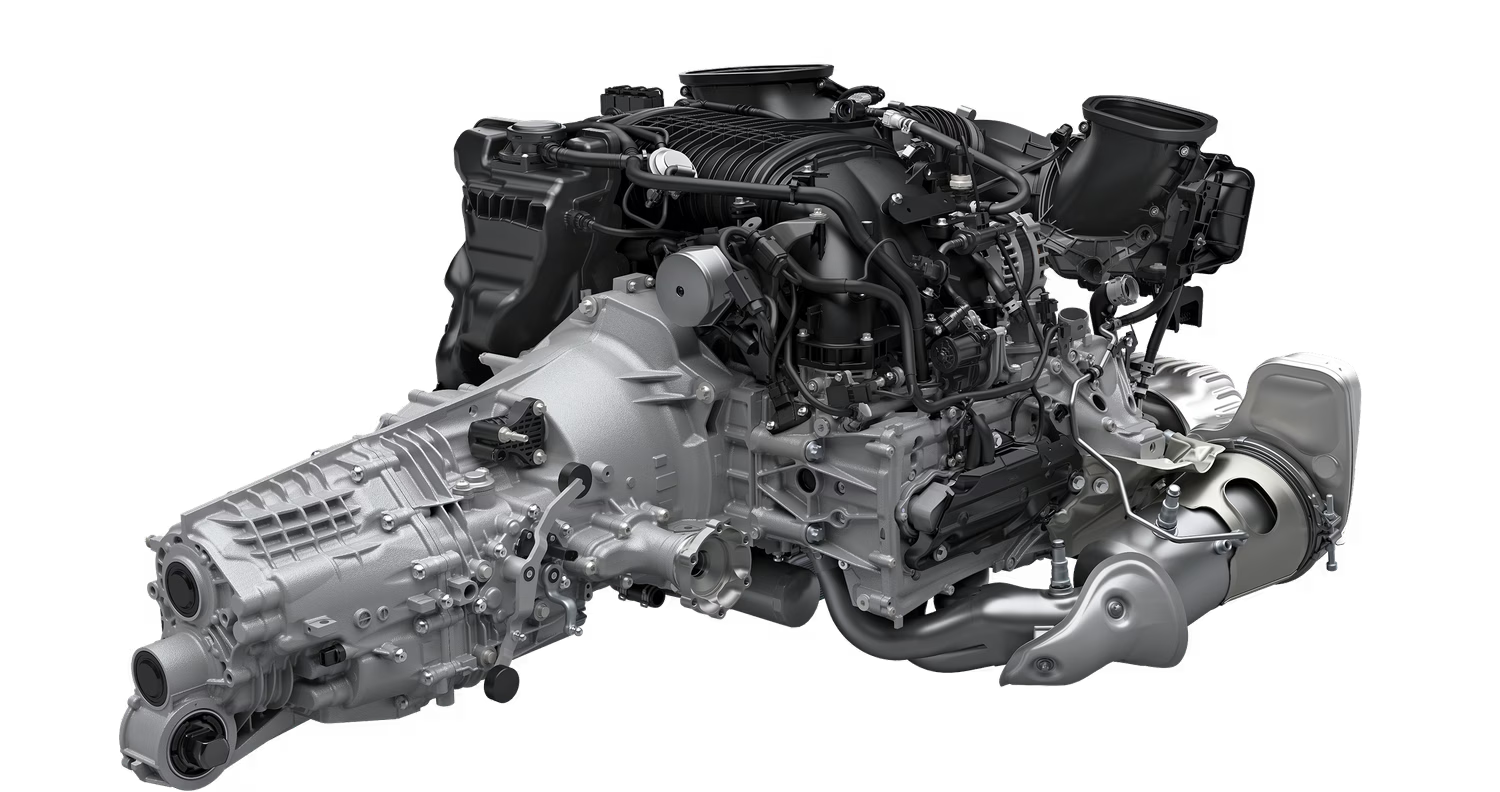
Shedding around 17 kg compared to the PDK in the 911 GT3, the six-speed GT Sport manual brings everything back to the driver. Short ratios, sharp response, and a shift that feels mechanical, precise… and completely alive.
4.0-litre naturally aspirated engine and 9,000 rpm character
At the heart of the 911 GT3 S/C is Porsche’s 4.0-litre naturally aspirated six-cylinder boxer engine, producing 502 hp (375 kW). Porsche says the engine benefits from revised cylinder heads, sharper camshafts derived from the GT3 RS, flow-optimised individual throttle valves and optimised oil coolers. The result is a powertrain designed to feel even more alive in the upper reaches of the rev range.
Porsche also highlights the engine’s 9,000 rpm capability, which is central to the GT3 S/C’s appeal. With the roof open, the sound and intensity of a high-revving naturally aspirated Porsche flat-six should make this one of the most sensory modern 911s yet.
Performance figures released by Porsche put the 911 GT3 S/C at 0–60 mph in 3.7 seconds with a top track speed of 194 mph.
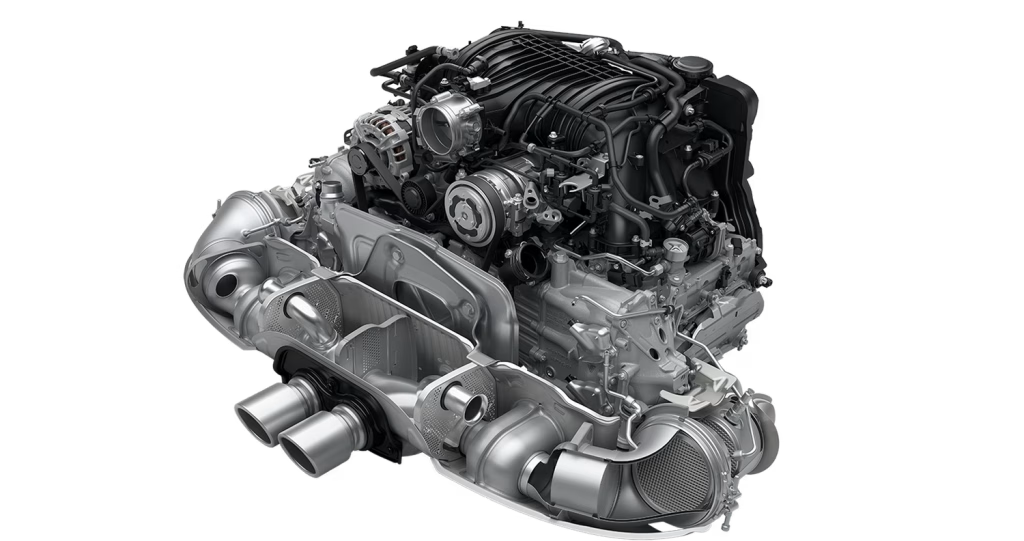
75 kW (510 PS), 450 Nm of torque and a 194 mph top speed.
The 4.0-litre naturally aspirated flat-six delivers performance that translates directly into smiles, hitting 0–62 mph in just 3.9 seconds.
Lightweight engineering inspired by the 911 S/T
Porsche has clearly worked hard to stop the GT3 S/C from becoming just another heavy convertible. The car uses a number of lightweight parts from the 911 S/T, including CFRP bonnet, front wings and doors, while additional carbon-fibre elements are used for the rear anti-roll bar, connecting links and underbody panel beneath the rear axle.
Lightweight thinking continues with standard Porsche Ceramic Composite Brakes (PCCB) and magnesium centre-lock wheels — 20-inch front and 21-inch rear. Porsche says the PCCB system is more than 44 lbs lighter than cast-iron brakes, while the magnesium wheels save nearly 19 lbs of unsprung weight compared with aluminium wheels. Magnesium is also used in the roof structure.
Despite being a fully automatic convertible, Porsche quotes a weight of 3,322 lbs, which underlines just how serious the engineering focus has been.

Convertible roof with GT intent
The GT3 S/C differs from the old 911 Speedster in one key area: instead of a manual roof and double-bubble rear deck, it uses a power-operated lightweight fabric roof. Porsche says the roof can open or close in around 12 seconds, and its magnesium-supported construction helps preserve an elegant, coupe-like silhouette.
There is also an electrically operated wind deflector, designed to make open-top driving more comfortable at speed and in cooler conditions.
This matters because the GT3 S/C is not trying to be a soft grand tourer. It is still meant to feel sharp, focused and special, just with the added layer of open-air drama.

Chassis and driving experience
Porsche says the chassis tune mirrors the 911 GT3 with Touring Package, while Andreas Preuninger also notes that the GT3 S/C marks the first time an open-top 911 uses a double wishbone front axle. Combined with the low weight and aggressive tyre package, Porsche is clearly pitching the car as something that brings unusually serious handling to the cabriolet format.
Standard tyre sizes are listed as 255/35 ZR20 at the front and 315/30 ZR21 at the rear.
For anyone who has ever wanted the purity of a GT3 but with the sense of occasion you only get from a roofless car, this is exactly the gap Porsche appears to be targeting.
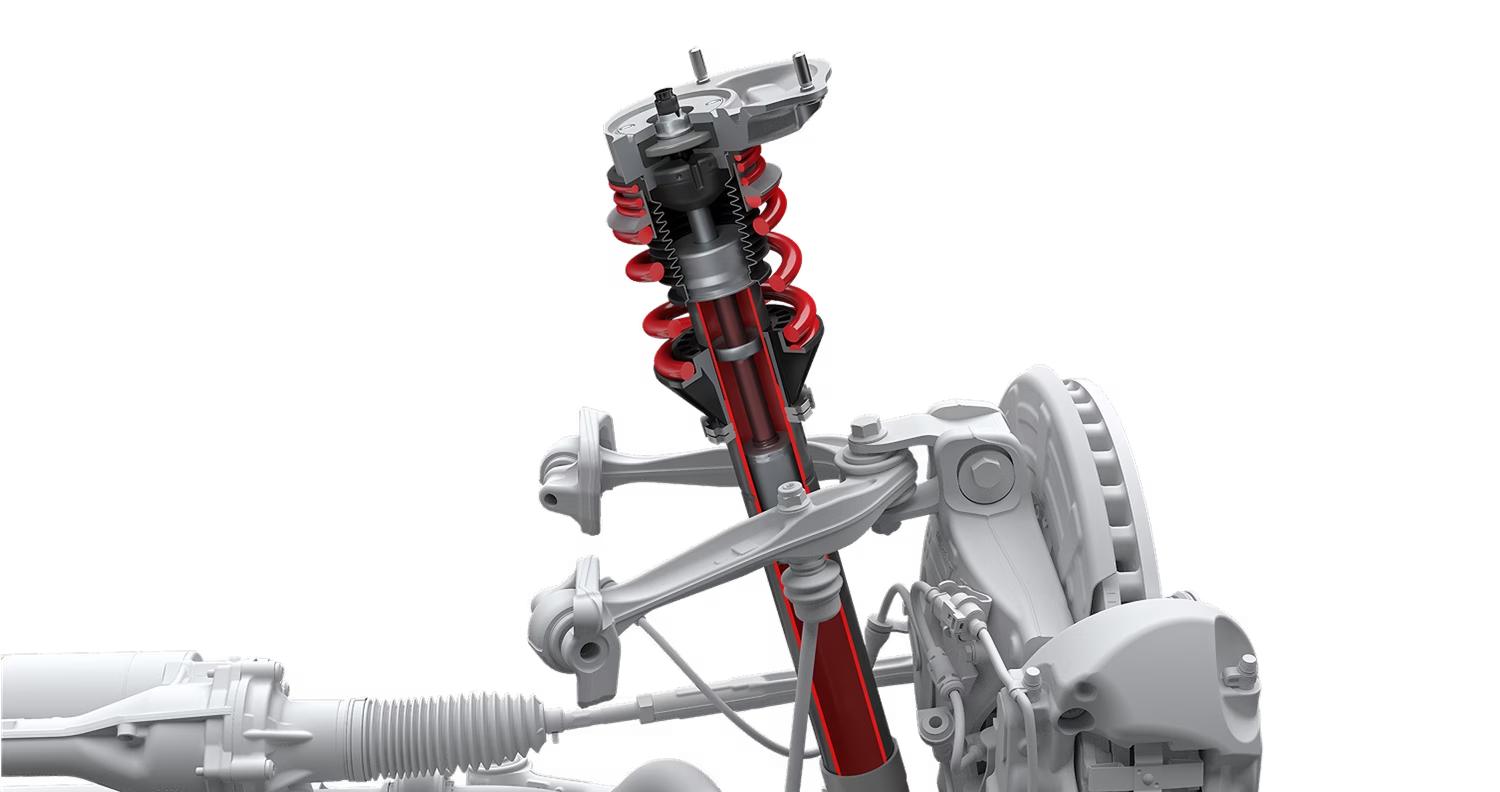
Featuring a rear-axle anti-roll bar with connecting links, a CFRP thrust panel and lightweight 20/21-inch forged magnesium wheels, the 911 GT3 S/C is engineered to make every winding road feel effortless.
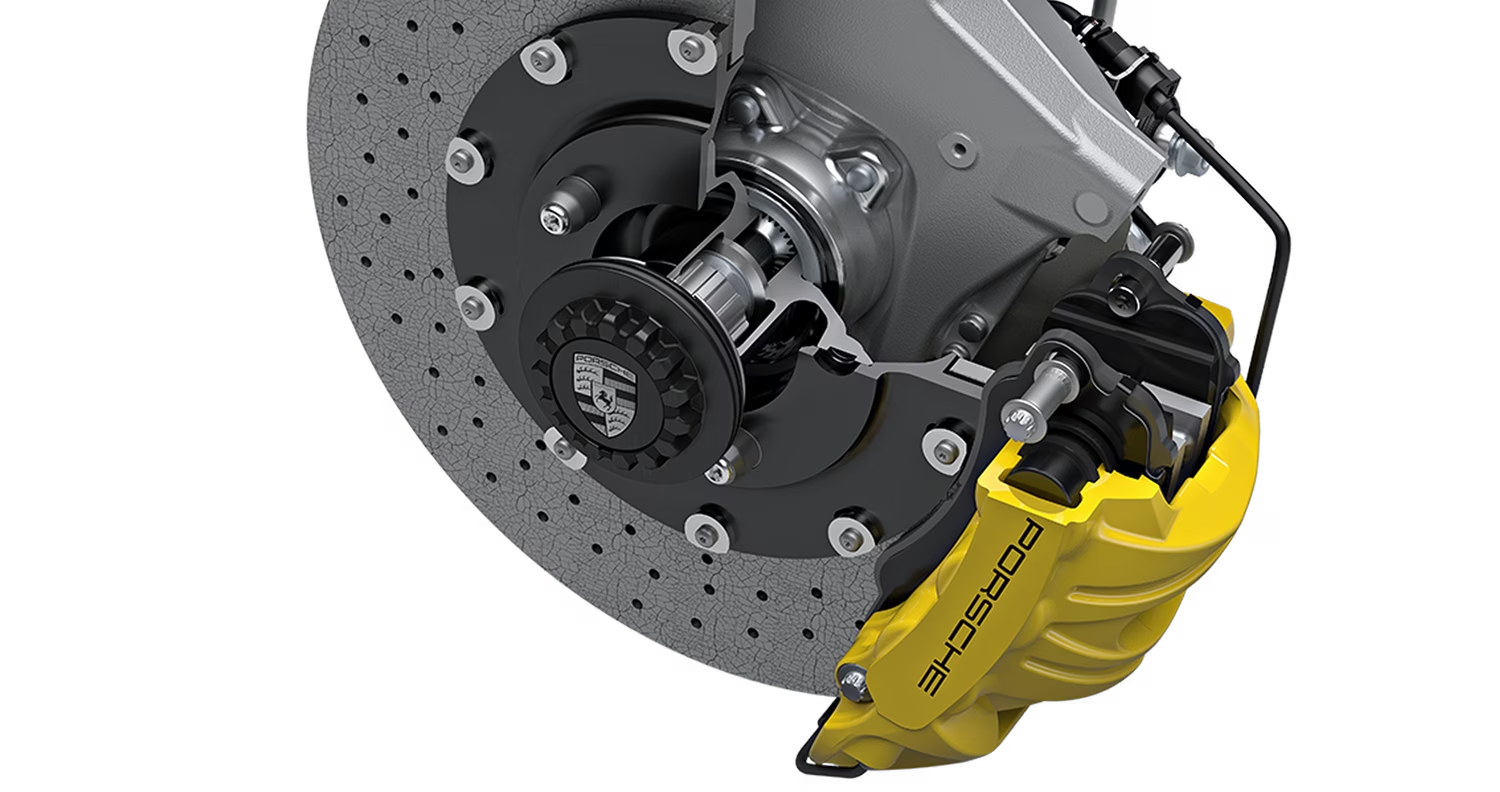
Fitted as standard, Porsche Ceramic Composite Brakes (PCCB) deliver exceptional stopping power, consistent brake feel and outstanding resistance to fade.
Interior: focused, trimmed and unmistakably GT
Inside, the 911 GT3 S/C remains a strict two-seater. Standard equipment includes four-way Sport Seats Plus, while folding lightweight bucket seats with CFRP shells are optional. Porsche also says seat heating is included, showing that the car is still intended to be enjoyed on the road as much as admired in a collection.
The cabin uses lightweight carpets, lightweight door panels, black leather trim and GT-specific details. Like other current GT3 models, it keeps the ignition switch to the left of the steering wheel, and the digital display includes a Track Screen mode that prioritises key performance information.
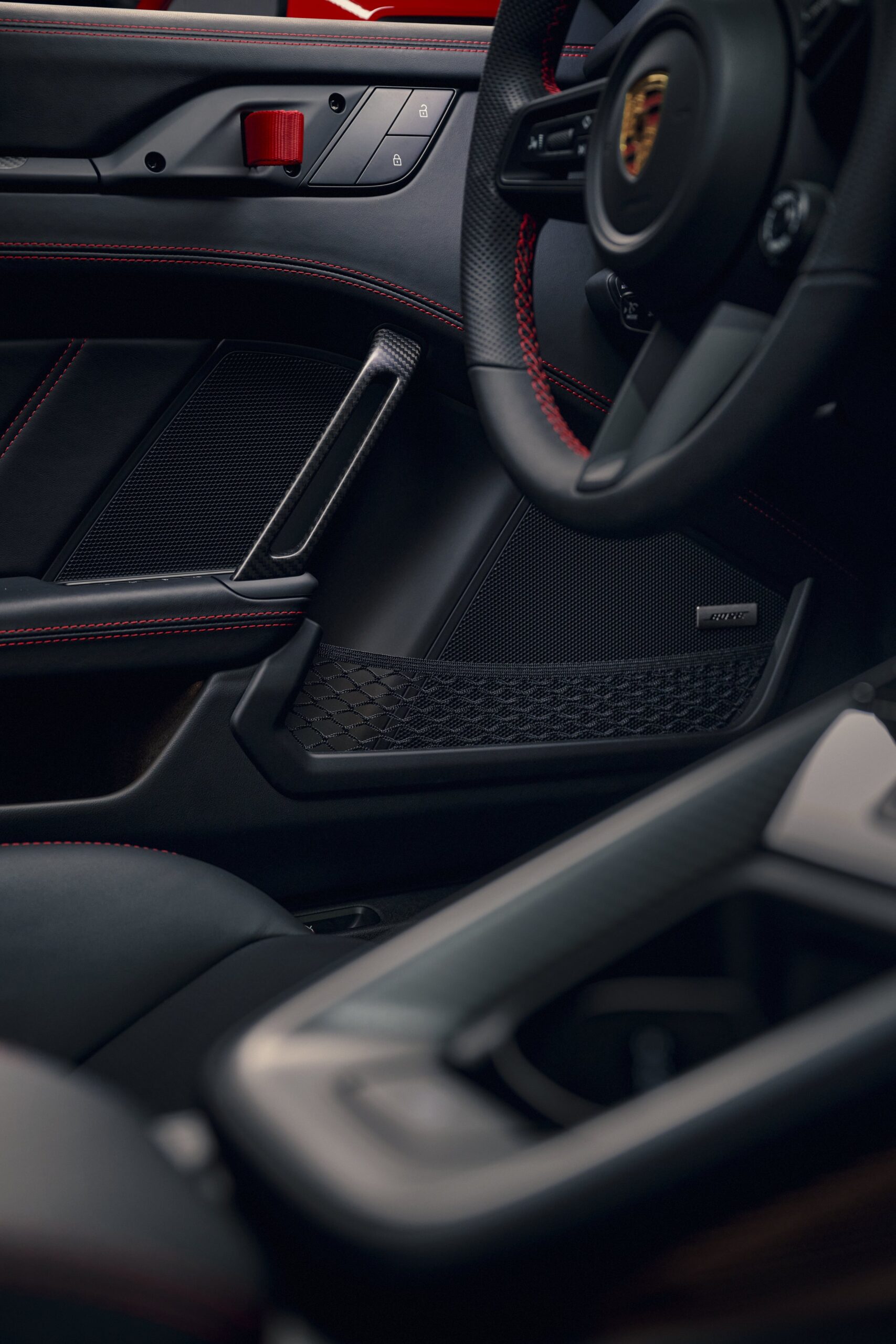
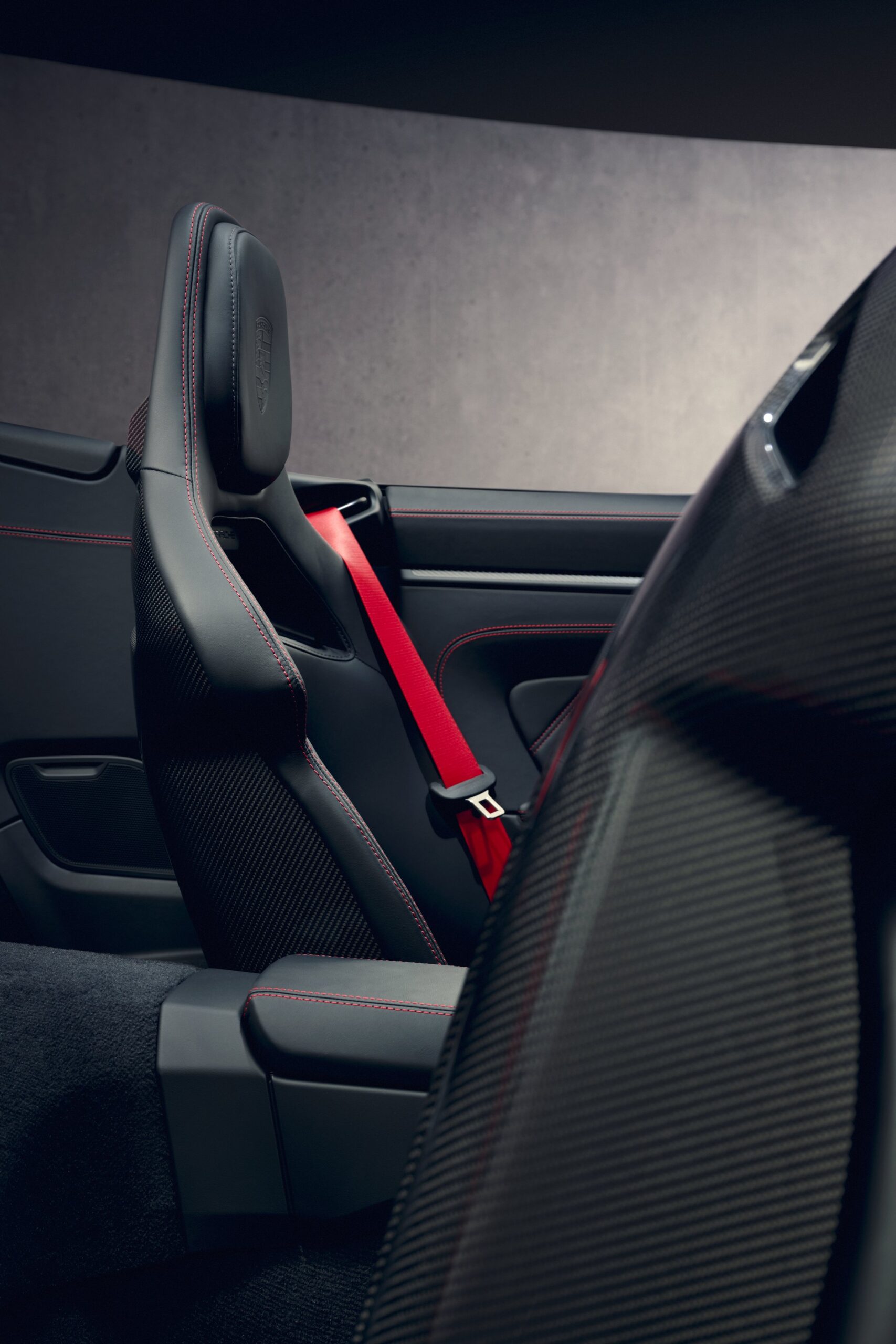
Street Style Package and Porsche Exclusive touches
Porsche is also offering an optional Street Style Package for the new GT3 S/C. This adds more dramatic visual detailing, including Pyro Red graphics, Slate Grey Neo wheels, Victory Gold brake calipers and a more intricate two-tone interior treatment. Porsche Exclusive Manufaktur has clearly been given room to turn the GT3 S/C into something even more individual for buyers who want their car to stand out.
There is also an optional rear storage box behind the seats and an exclusive Porsche Design GT3 S/C chronograph available to owners.


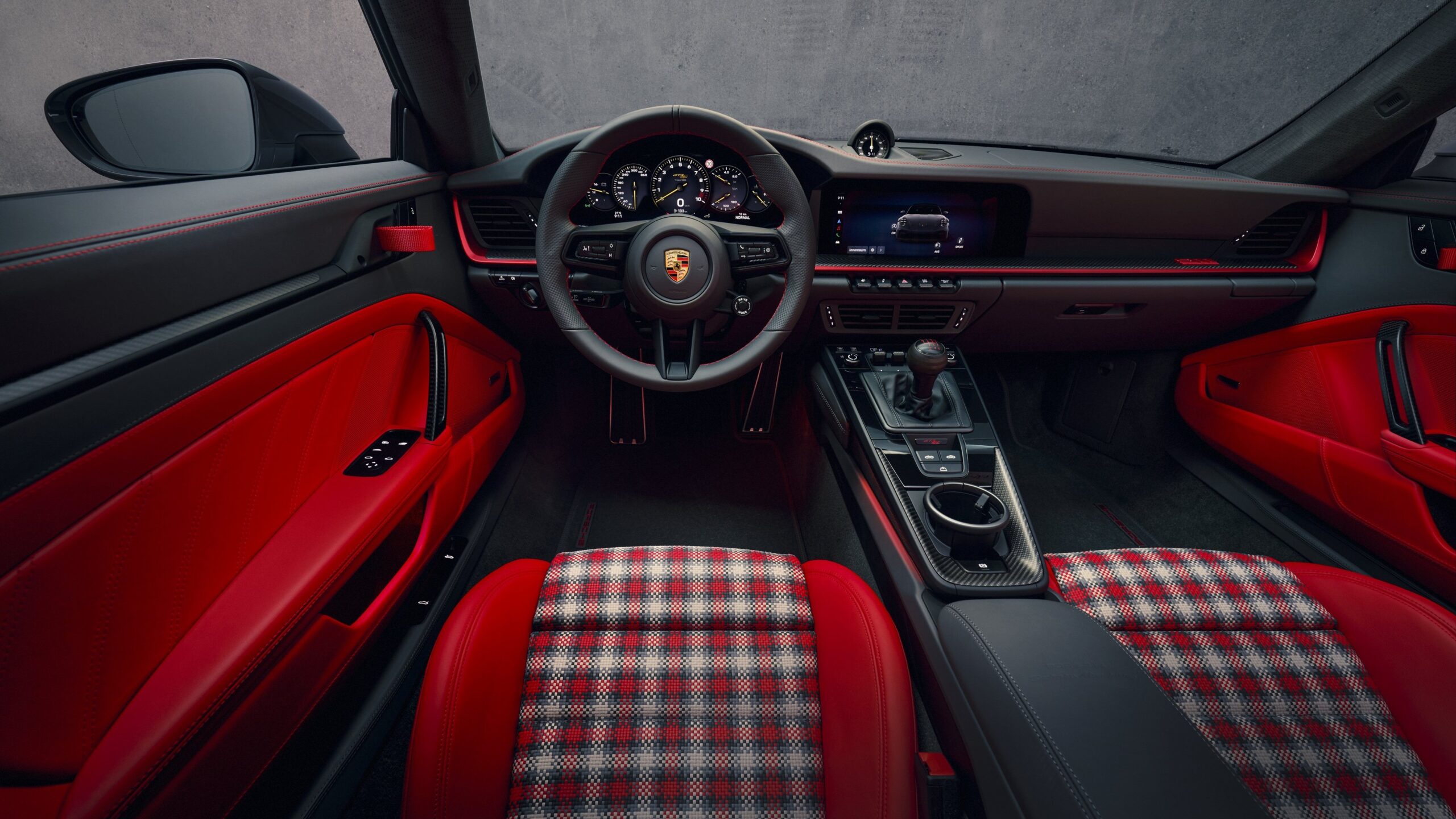
Why the 911 GT3 S/C matters
The 992-generation Porsche 911 GT3 S/C matters because it pushes the GT3 idea into new territory without losing sight of what makes a GT Porsche special. It keeps the naturally aspirated engine, the manual gearbox, the lightweight philosophy and the two-seat focus, while adding the theatre of open-top motoring.
In many ways, it feels like Porsche has taken the emotional appeal of the 911 Speedster, the engineering intent of the 911 S/T, and the performance heart of the 992 GT3, then merged them into one car. For people who believe driving should be about feel, sound, response and involvement, the GT3 S/C could become one of the most talked-about 992 models of all.
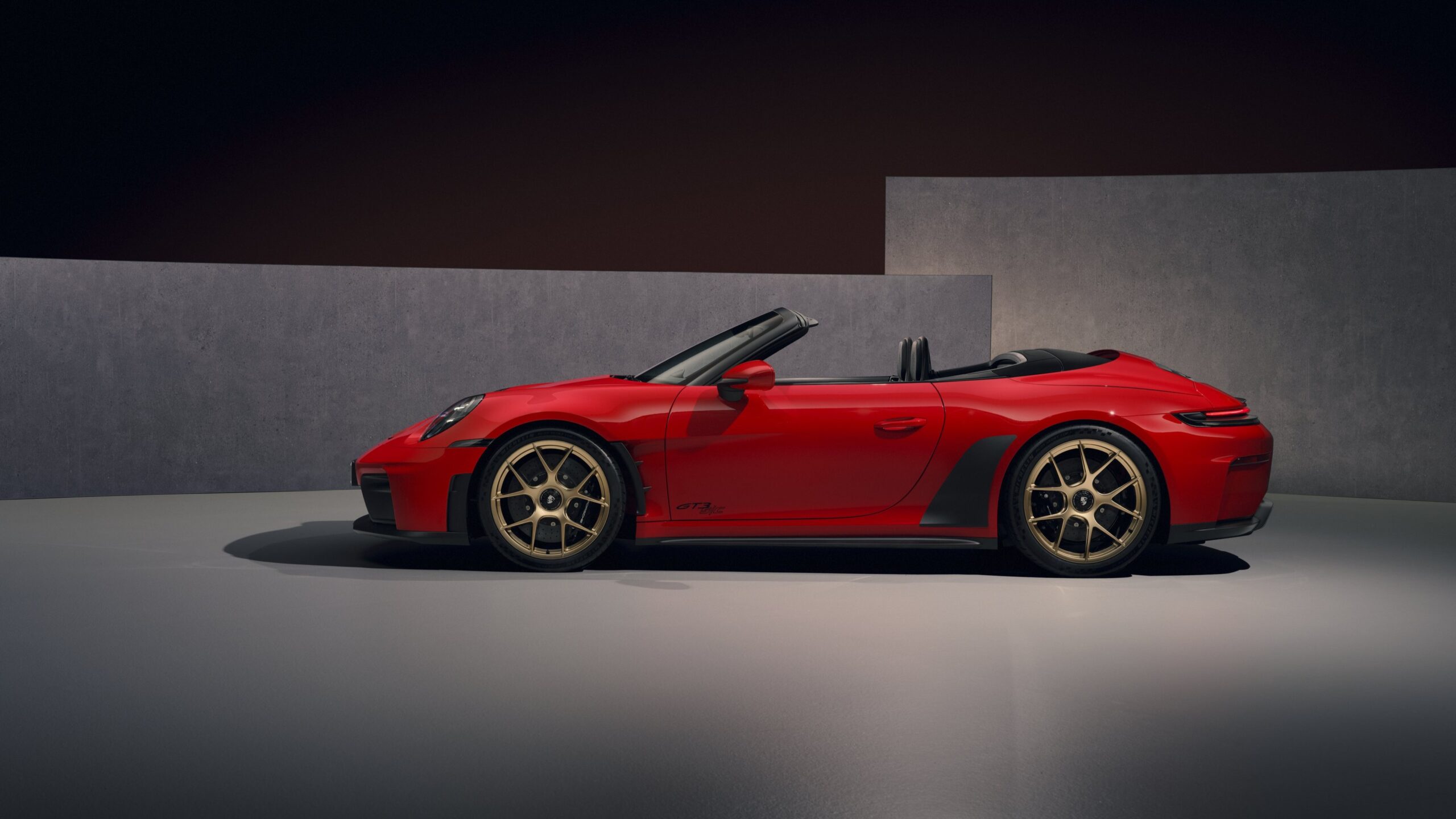
Final thoughts on the 911 GT3 S/C
The Porsche 911 GT3 S/C is not just another niche 911 derivative. On paper, it looks like a genuinely exciting new addition to the 992 range: manual-only, naturally aspirated, open-top and lightweight. In an era where many performance cars are becoming more digital, more filtered and more complicated, this feels like Porsche deliberately building something for drivers who still want emotion front and centre.
If Porsche has delivered on the promise of the spec sheet, the 911 GT3 S/C may end up being one of the most desirable open-top 911s of the modern era.